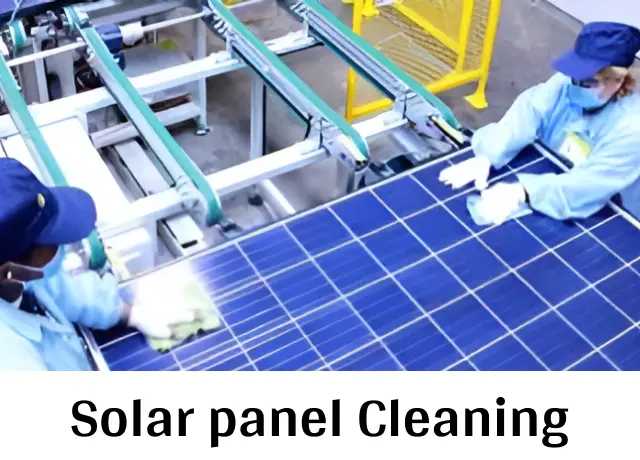


“Choosing the Right Cleaning Material for Solar Panel Manufecturer”
“Perfect Cleaning Materials for the Automobile Industry”
“Choosing the Right Cleaning Material for Catering and Hotels”
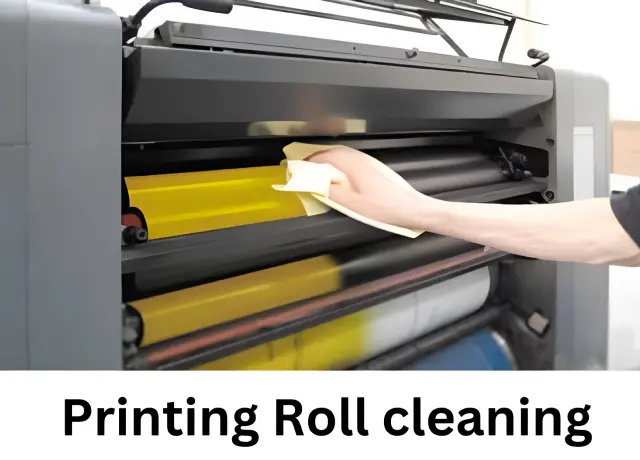
“Choosing the Right Wiping Cloth for Printing Press Cleaning Needs”
Why Solar Panel Cleaning Requires Specialized Cotton Waste
Solar panels are delicate and require careful handling during cleaning to avoid scratches or damage. Using the wrong cleaning materials can lead to reduced efficiency and costly repairs. Here’s a guide to selecting the ideal cotton waste for cleaning solar panels:
Features Required
Smooth Surface: The material must be smooth to prevent scratches on the panel surface.
Lint-Free: Lint residue can stick to the panels, causing inefficiency and extra cleaning work.
High Absorbency: Absorbent materials help clean dirt, water, and chemicals effectively without leaving streaks.
White Color: White material avoids any risk of color transfer when chemicals are used, ensuring the panels remain spotless.
What to Do
Choose White Materials: Opt for white cotton waste or white T-shirt material for the best results.
Prioritize Absorbency: Select absorbent materials to handle water and cleaning chemicals effectively.
Focus on Lint-Free Options: Ensure the material is lint-free to avoid residue on the panels.
Be Flexible with Light-Colored Options: Light-colored materials can also be used if your budget doesn’t allow for pure white options, but ensure they meet the other criteria.
What Not to Do
Avoid Colored Materials: Colored fabrics can transfer dye when used with chemicals, damaging the panels.
Skip Linted Materials: Linty materials leave residue and compromise cleaning efficiency.
Don’t Overpay for Unnecessary Features: Avoid spending extra on bed sheets with straight cutting, as irregular cutting works just as well for this task.
Stay Away from Thick Materials: Materials like sweatshirts, fleece, jeans, and corduroy are too thick and not suitable for delicate cleaning.
Best Materials for Solar Panel Cleaning
White Cotton Material:A versatile option that balances cost and functionality.
White T-Shirt Material: Ideal for smooth, scratch-free cleaning.
Materials to Avoid
Sweatshirt or Fleece: Too thick and unsuitable for delicate surfaces.
Jeans or Corduroy: Not absorbent or smooth enough.
Bed Sheets: While effective, they are more expensive due to straight cutting, which isn’t necessary for this purpose.
By choosing the right cleaning material, solar panel maintenance becomes efficient, safe, and cost-effective, ensuring longevity and optimal performance of the panels.
Cleaning Needs of the Automobile Industry
The automobile industry has two distinct cleaning requirements:
Polishing and Detailing: Cleaning the glass and metal body of vehicles such as cars, bikes, trucks, tractors, and JCBs requires smoother and softer materials to avoid scratches and achieve a clean, polished finish.
General Cleaning for Mechanics: Mechanics need absorbent materials for wiping oil, grease, and dirt from engines, gears, spare parts, and their hands.
Selecting the right cleaning material can ensure efficiency, safety, and convenience in automobile maintenance tasks.
What to Do
For polishing and detailing, choose soft and smooth materials to avoid scratches on glass and metal surfaces.
For general cleaning, opt for a single material that is absorbent and economical, as mechanics often handle oily and greasy tasks.
Cut the material into smaller pieces to make it cost-effective and manageable for both types of work.
What Not to Do
Using two separate materials for different tasks can be inconvenient and costly. Instead, find one versatile material to fulfill both needs.
Avoid thick and rough materials like sweatshirts or heavy cotton for polishing, as they are unsuitable for delicate surfaces.
Best Material for Automobile Cleaning
The Color T-shirt Wiper is the ideal choice for the automobile industry because:
It is soft and smooth, making it safe for polishing glass and metal bodies.
It is absorbent enough to clean oil, grease, and dirt from mechanical parts and hands.
By using smaller pieces, it becomes an economical and versatile option for both polishing and general cleaning tasks.
Materials to Avoid
Sweatshirt, Heavy Cotton, and Light Cotton: While these are good for wiping oil and grease, they are not suitable for polishing delicate surfaces.
For convenience, cost-efficiency, and functionality, automobile businesses should rely on Colour T-shirt Wipers to handle all cleaning and maintenance requirements with ease.
Why Catering and Hotels Need Specialized Cleaning Materials
Catering and hotel businesses often deal with tasks that require efficient and durable cleaning solutions. From cleaning water and oils to wiping tables, plates, and even handling heat, the cleaning material must be thick, absorbent, and robust. Here’s what you need to know about selecting the right cotton waste for your needs.
Features Required
High Absorbency: Cleaning water, oils, and food residues demands materials that can soak up liquids quickly and effectively.
Thick and Durable: The material should withstand heat exposure and handle rigorous tasks without tearing or wearing out.
Convenient Packaging: Opt for smaller packages like 5kg, 10kg, or 25kg. These are easier to carry on-site and reduce wastage compared to bulkier options like 50kg packs.
What to Do
Choose cotton-based materials that are thick, absorbent, and have a slightly rough texture for better cleaning performance.
Go for hairy materials that can clean effectively.
Ensure the packaging is manageable and reduces waste.
What Not to Do
Avoid light, smooth materials with low absorbent capacity; they are not suitable for catering needs.
Skip expensive materials, as they are not necessary for frequent cleaning tasks. Opt for budget-friendly options.
Avoid dusty or dirty qualities intended for industrial use, as these may not meet hygiene standards for catering and hotels.
Best Materials for Catering and Hotel Cleaning
Corduroy: Thick and absorbent, ideal for cleaning heavy messes.
Fleece: Durable and absorbent, suitable for wiping surfaces.
Sweatshirt Material: A great choice for tasks requiring heavy-duty cleaning.
Heavy Cotton: Reliable for absorbing oils and liquids.
Color T-shirt: Can be used occasionally for certain tasks.
Materials to Avoid
Highly expensive options, as they may be stolen or unnecessary for routine cleaning.
Cleaner and more affordable materials are better suited for this purpose.
By choosing the right cleaning material, catering and hotel businesses can save money, ensure efficient cleaning, and manage operations more effectively. Durable and absorbent cotton waste is a perfect fit for the demanding needs of this industry.
Why Printing Presses Need Specialized Wiping Cloths
Cleaning delicate printing rolls and blankets is an essential part of maintaining printing presses. Choosing the right wiping cloth can make this process smooth, efficient, and cost-effective. Printing presses require soft and absorbent materials to clean rolls without causing damage. Here’s why:
Softness Matters:
Printing rolls and blankets are delicate and can be damaged by rough or thick materials. Soft cotton cloths protect these sensitive surfaces, ensuring a long lifespan and uninterrupted performance.
Absorbency Is Key:
To clean ink residue effectively, cloths need to absorb cleaning solvents well and release them during the wiping process. If the solvent stays trapped in the cloth, it leads to wastage and incomplete cleaning.
What to Do
Opt for lightweight and soft cotton cloths.
Prioritize materials that are free from hard objects like buttons or stones.
What Not to Do
Avoid thick, rough, or polyester-based materials. These can scratch or damage the printing rolls and blankets.
Best Materials for Printing Press Cleaning
Color T-shirt Wiper: The most popular choice due to its softness, lightweight nature, and high absorbency.
Suti: A budget-friendly alternative that still meets many requirements.
Light Cotton: A versatile option suitable for delicate cleaning tasks.
Materials to Avoid
Fleece
Heavy Cotton
Denim/Jeans
These materials are too thick, rough, or non-absorbent, making them unsuitable for printing jobs.
By choosing the right cotton waste, printing presses can achieve efficient cleaning, minimize solvent wastage, and ensure the longevity of their equipment.